
Skip to content
0406 759 228 shae@aestheticsbyboss.com.au
Skin Treatments Skin Consultations
Aesthetics By Boss
Consultations
Treatments
Clinic
Not sure where to start?

Book a consultation and we will map the right plan for your skin.

Book a Consult
Aesthetics By Boss
Call Email Find us
Book Now
The clinic
0406 759 228 shae@aestheticsbyboss.com.au
Shop 6/68 Racecourse Road
Hamilton QLD 4007
Tue–Thu 10–7, Fri 10–4, Sat 10–1
Home/ Journal/ Professional exfoliation
Treatments

Professional Skin Exfoliation: Benefits, Types and Aftercare

Exfoliation is the most misunderstood category in skincare: simultaneously overdone at home and undersold in clinic. The difference is control — over strength, depth and frequency.

Book a ConsultationAsk a Question
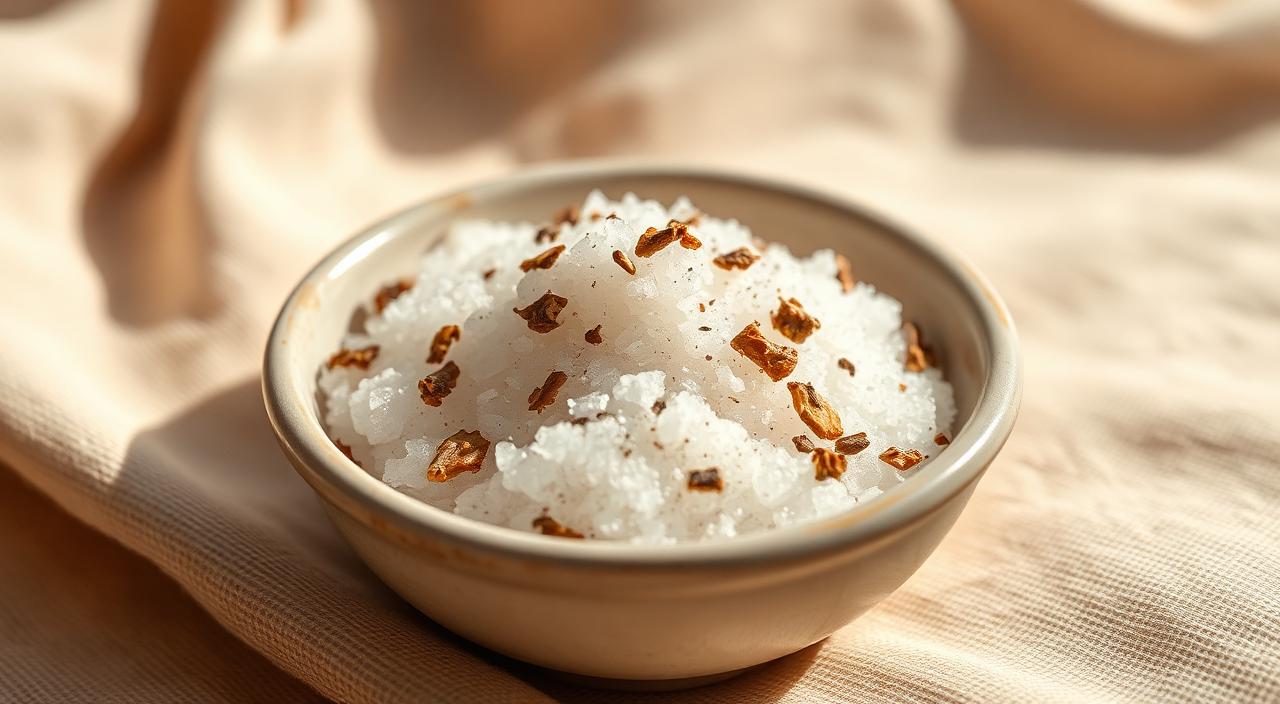
Ceramic bowl of exfoliating salt scrub on linen in warm light
Key takeaways
  • Professional exfoliation is controlled removal at a chosen strength and depth.
  • AHAs, BHAs, PHAs and enzymes do different jobs on different skins.
  • Over-exfoliation compromises the barrier — frequency is deliberate.
  • Broad-spectrum SPF 50+ afterwards is a requirement in Queensland.

The main types, and what they do

Exfoliation removes surface skin cells mechanically or with acids and enzymes. Which is appropriate depends on your skin type, sensitivity, pigment risk and what you have used recently.

  • Alpha hydroxy acids (AHAs) — water-soluble, including glycolic and lactic acid, working on surface texture and tone
  • Beta hydroxy acids (BHAs) — oil-soluble, most commonly salicylic acid, able to travel into pore openings
  • Polyhydroxy acids (PHAs) — gentler, often suited to sensitive skin or as an introduction
  • Enzymatic options — useful where acids are not appropriate
  • Mechanical exfoliation — controlled, and very different from an at-home scrub

What it can and cannot support

Considered exfoliation, suited to the individual, can support smoother texture and a more even-looking tone. It is not a treatment for active inflammation, and it will not resolve pigment on its own — pigment needs assessment first, because melasma and post-inflammatory pigmentation respond differently.

Over-exfoliation is the common failure mode. Tightness, stinging, unexpected flushing and products that "stop working" usually mean a compromised barrier, and the correct response is to remove steps rather than add them.

Aftercare that protects the result

  • Broad-spectrum SPF 50+ daily, reapplied when outdoors
  • Gentle, fragrance-free cleansing while skin settles
  • Pause retinoids, acids and vitamin C until cleared
  • Do not pick or pull at any flaking — let it shed
  • Avoid saunas, hot showers and heavy sweating for 24 to 48 hours

Full guidance is in the aftercare guidelines, and treatment-specific instructions are given to you at the clinic.

Frequently asked

Exfoliation questions

How is professional exfoliation different from a scrub?

Strength, depth and selection are controlled and chosen for your skin after assessment. At-home scrubs offer none of those controls, which is why they are a common cause of barrier damage.

How often should I exfoliate?

Frequency depends on the method and strength used and is set at consultation. More often is not better; over-exfoliation compromises the barrier.

Will my skin peel afterwards?

Sometimes, depending on type and strength. Any flaking should be left to shed naturally, with gentle cleansing and more frequent moisturising.

Can exfoliation help pigmentation?

It may form part of a plan, but pigment needs assessment first because different pigment conditions respond differently and some can worsen with the wrong approach.

Book a skin assessment

Have exfoliation type, strength and frequency chosen for your skin, not a protocol.

Book OnlineContact the Clinic
Keep reading
Service

Skin Exfoliation Treatments

Guide

How to choose a skin treatment

Guide

Aftercare guidelines

Reference

Knowledge hub

Important: All cosmetic treatments are performed by qualified practitioners following Australian health regulations. Individual results may vary. A consultation is required prior to any treatment to assess suitability and discuss realistic expectations. Any surgical or invasive procedure carries risks. Before proceeding, you should seek a second opinion from an appropriately qualified health practitioner.

Call Enquire Book